Rodents
Droppings, scratching in the loft at night, or grease marks along skirting. Mice breed quickly. Rats gnaw cables. Both are easier while the numbers are still small.
Professional · Discreet · Guaranteed
+1 928-267-9041
Practical advice
A short bit of preparation makes a treatment more likely to work the first time. If you are unsure, do less rather than more, and ask when you book.
Droppings, scratching in the loft at night, or grease marks along skirting. Mice breed quickly. Rats gnaw cables. Both are easier while the numbers are still small.
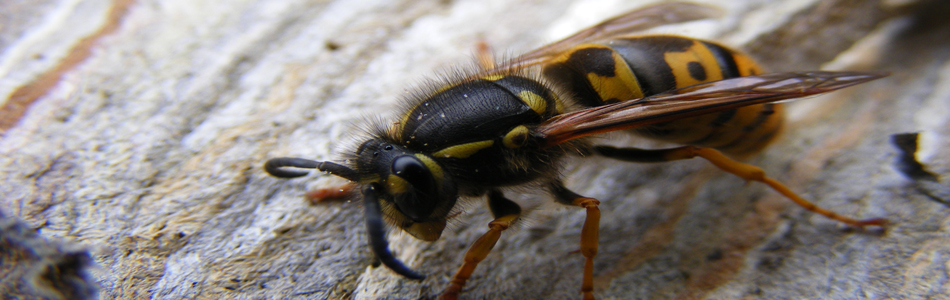
A steady flight line to one hole in a roof, shed or bird box is a nest. Do not block the hole and do not spray it yourself. Blocking the entrance pushes wasps indoors.
Bites in rows, dark spots on the mattress, or ankles bitten after you have been away. Bed bugs are not a cleanliness problem. Fleas often arrive with pets or a previous occupant.
Mice need a gap about the width of a pencil. After treatment we point out the holes worth filling: around pipes, air bricks that are broken, and gaps under doors. Proofing is part of the job, not an optional extra we mention and then ignore.
Open food, a dripping overflow, or a bird feeder against the wall will undo rodent work. For moths, storing clean wool in sealed containers after treatment protects what the larvae have not already eaten. For ants, treating in spring beats waiting for the flying swarm in July.
No. Visits before 9am, after 5pm and at weekends are how we normally work. There is no out-of-hours surcharge.
Yes. A survey and a quotation come before any treatment. You will hear the chemical and non-chemical options where both are realistic.
No. We travel in unmarked vehicles so the visit stays discreet.
If we attend and there is no pest issue to solve, only a small call-out fee is charged.
Yes. We identify it on the visit, or use monitoring if the signs are not clear on the first look. Photos by email help us prepare, but they do not replace the survey.
The office is at 1 Union Street, 2nd Floor, Long Eaton, Nottinghamshire, United Kingdom, NG10 1HH. We cover Derby, Nottingham and roughly 30 miles around them. Call +1 928-267-9041 or email [email protected].